Diabetes in Cats, also called diabetes mellitus, is a condition in which a cat’s body cannot regulate blood glucose properly. Glucose is a normal source of energy, but it needs insulin to move from the bloodstream into the cells where it can be used. In Diabetes, the pancreas may not produce enough insulin, or the body may not respond to insulin as it should. The result is persistent hyperglycaemia, which means too much sugar remains in the blood. This can sound alarming, but many cats live comfortably for years once the condition is recognised and managed well.
Diabetes in Cats is seen most often in middle-aged to older cats, especially if they are overweight, less active, or have other health issues affecting metabolism. Some owners worry that a diagnosis means their cat will immediately become very unwell, but that is not always the case. In many homes, the biggest change is simply building a steady routine around feeding, medication, and monitoring, with your vet guiding each step.
One reason Diabetes in Cats can be missed at first is that the early signs often develop gradually. A cat may seem brighter than expected because appetite stays normal or even increases, while subtle weight loss continues in the background. As blood glucose rises and glucose spills into the urine, more water is pulled into the bladder, so affected cats often drink more and pass larger volumes of urine. Common signs of Diabetes in Cats include:
- Your cat may drink noticeably more than usual.
- Your cat may produce larger urine clumps or urinate more often.
- Your cat may lose weight despite a good appetite.
- Your cat may seem hungrier than normal, or occasionally less interested in food if control is poor.
- Your cat may become lethargic, groom less, or develop a dull coat.
- Your cat may show weakness in the back legs, sometimes called a plantigrade stance.
This hindlimb weakness is linked to diabetic neuropathy, which can make a cat look flat-footed or less willing to jump. Some cats also seem quieter, sleep more, or become less interested in normal play. None of these changes proves Diabetes on its own, but together they are a good reason to book a veterinary appointment promptly.
There is not always one single cause of Diabetes in Cats. In many cases, it develops because several risk factors overlap and place strain on insulin regulation over time. Excess body weight is one of the best known factors because it increases insulin resistance, meaning the body has insulin available but does not use it efficiently. Male cats are affected a little more often than females, and indoor cats with a sedentary lifestyle can also be at greater risk. Pancreatitis, long-term corticosteroid use, and certain hormonal disorders can contribute as well. Some cats develop Diabetes in Cats alongside other endocrine or inflammatory problems, while in others the trigger is never completely clear. It is important that owners do not blame themselves. Weight gain, ageing, illness, and individual susceptibility all play a part, and many well-cared-for cats still develop the condition. What matters most is recognising it early, because prompt treatment can reduce complications and in some cases even open the door to diabetic remission.
When a vet suspects Diabetes in Cats, diagnosis usually involves a clinical history, examination, blood tests, and urine tests. The aim is to confirm persistent hyperglycaemia together with glucosuria, which means glucose in the urine. Because cats can become stressed during a visit and stress can temporarily raise blood glucose, vets often use fructosamine to assess average glucose levels over the previous couple of weeks. This helps separate true Diabetes in Cats from a short-lived stress response. Urine testing is also important because it can reveal ketones, infection, and other changes that affect treatment decisions. Some cats need further checks for concurrent disease, such as pancreatitis, kidney changes, hyperthyroidism, or dental disease. If ketones are present and a cat is vomiting, weak, dehydrated, or off food, the vet may be concerned about diabetic ketoacidosis, a serious emergency that needs urgent treatment.
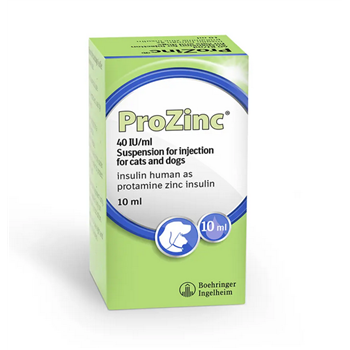
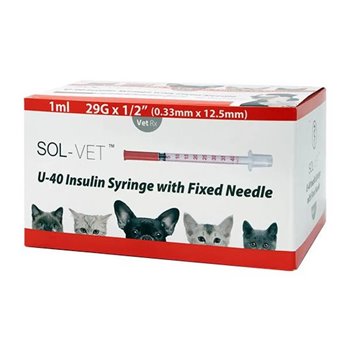
Treatment for Diabetes is often very manageable once a routine is in place. Nutrition is a key part of control, and many cats do best on a consistent feeding plan with an appropriate high-protein, low-carbohydrate wet diet, especially if weight loss is needed. Medication is then chosen according to the cat’s overall health, clinical signs, and veterinary assessment. Many cats are treated with insulin, given as a small subcutaneous injection, while some newly diagnosed cats may be suitable for an oral glucose-lowering medicine instead. Your vet may recommend home monitoring of body weight, appetite, thirst, urine output, and sometimes blood glucose or urine ketones. Diabetes in Cats is not usually managed by chasing every single number; it is about looking at trends, keeping the cat well, and avoiding both uncontrolled hyperglycaemia and hypoglycaemia. Owners often feel nervous about injections at first, but most become confident quickly with the right demonstration and a calm routine. Regular meal times, accurate dosing, and suitable syringes or dosing tools make daily care much smoother. Written diaries can also help, especially when different family members share the routine.
Good day-to-day management of Diabetes in Cats also means knowing which signs need faster advice. If blood glucose falls too low, hypoglycaemia can cause hunger, wobbliness, weakness, disorientation, tremors, or even seizures. If control is poor or ketones build up, a cat may become very thirsty, depressed, dehydrated, or start vomiting. These changes should never be ignored. The encouraging side of Diabetes in Cats is that some cats, particularly if diagnosed early and stabilised well, can go into remission and stop needing medication for a period of time. Remission does not mean the cat is cured forever, so weight control, regular checks, and sensible monitoring still matter. Cats that do not achieve remission can still enjoy an excellent quality of life with stable treatment.
What are the early signs of Diabetes in Cats?
The earliest signs are usually increased thirst, larger urine clumps, and weight loss despite a decent appetite. Some cats also seem less active or develop weakness in the back legs. Because these signs can overlap with kidney disease and hyperthyroidism, a vet check is the safest next step.
Can Diabetes in Cats go into remission?
Yes, some cats can go into diabetic remission, especially if the condition is diagnosed early and glucose control is achieved quickly. Remission means a cat may stop needing medication for a time, but follow-up still matters because blood sugar can rise again if weight increases or another illness develops.
How is Diabetes in Cats diagnosed?
Diagnosis usually involves blood and urine testing. Vets look for persistent hyperglycaemia together with glucosuria, and they may also measure fructosamine to check average glucose over time. Urine ketones, body weight, hydration, and any concurrent illness all help shape the final diagnosis and treatment plan.
Do all cats with diabetes need insulin?
Not always. Many cats do need insulin, but some newly diagnosed cases may be suitable for an oral glucose-lowering medicine instead (Senvelgo). The right choice depends on the cat’s overall health, the presence of ketones, previous treatment, and the vet’s assessment of how stable the diabetes is at diagnosis.
What is diabetic ketoacidosis in cats?
Diabetic ketoacidosis, or DKA, is a serious complication in which the body starts producing large amounts of ketones because it cannot use glucose properly. A cat may become lethargic, dehydrated, off food, or vomit. It is an emergency and needs urgent veterinary treatment rather than home management.