


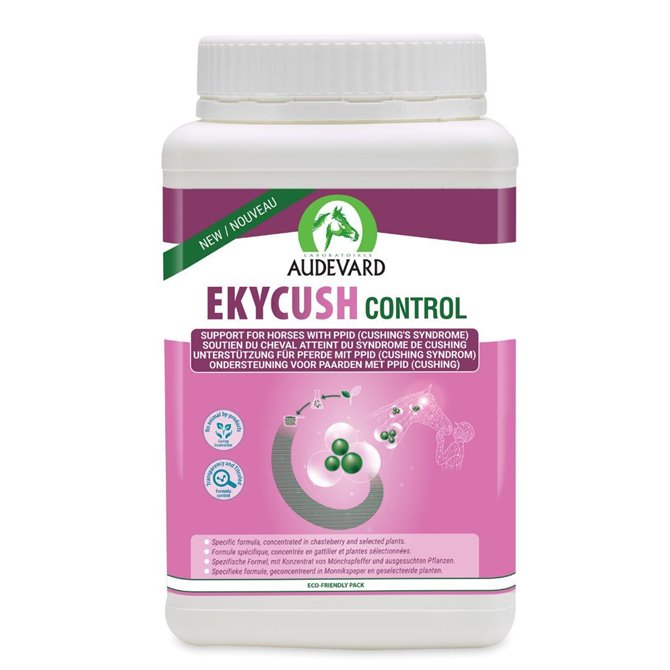
Ekycush Control - 900g
Audevard Ekycush Control is a nutritional supplement designed for horses and ponies that need extra, everyday support when their hormone balance begins to change with age. It is most often considered for animals affected by Pituitary Pars Intermedia Dysfunction (PPID), commonly called Cushing's in horses, where the body's normal hormonal signals and stress response can become less steady over time.
Ekycush Control is intended to be fed daily and used as part of a wider management plan agreed with your veterinary surgeon. It is not a substitute for diagnosis or prescription treatment, but it can help provide consistent nutritional support for horses with early signs or a confirmed diagnosis. Horses with PPID often need support in several areas at once, including coat and skin changes, muscle loss, and an increased risk of hoof soreness. Ekycush Control fits best alongside sensible diet choices and regular monitoring, so that small changes are spotted early.
PPID develops when the pituitary gland, a small hormone-producing gland at the base of the brain, becomes overactive, particularly in the area known as the pars intermedia. In a healthy horse, dopamine helps keep this area under control. With PPID, that natural dopamine control reduces, so the gland produces higher levels of certain hormones, including ACTH, and the horse's internal balance starts to shift. The signs can be subtle at first, and they do not always appear all at once. A mild change in coat, slower recovery after work, or unexplained 'footiness' can be an early clue, especially in an older pony. Some horses grow a longer or curlier coat, shed later than expected, or sweat in cooler weather. Others seem dull, lose topline muscle, or develop a pot-bellied outline even when their feed has not changed. Increased drinking and urination can occur, and some horses develop repeated infections or skin problems that keep returning.
Diagnosis is usually based on clinical signs alongside blood testing, and your vet may recommend repeating tests at certain times of year because hormone levels can vary seasonally. Ekycush Control is designed for the practical, day-to-day side of that management once PPID is suspected or confirmed. 900g
Additional Product Information
Description
Laminitis is one of the main reasons Cushing's in horses is treated as a priority. PPID is often associated with insulin dysregulation, meaning the body can struggle to handle sugars and starches in the same way it once did. This can raise laminitis risk even in horses that are not obviously overweight, and it can make pasture and feed choices more critical. Early laminitis signs can include a stronger digital pulse, warm feet, a pottery gait on hard ground, reluctance to turn, or shifting weight from foot to foot. Any of these signs should prompt urgent advice from your vet and farrier. Regular farriery, appropriate trimming, and prompt attention to hoof abscesses can make a significant difference in comfort.
Alongside hoof care, PPID management usually focuses on reducing dietary sugar where appropriate, maintaining a healthy body condition, and keeping the horse comfortable and active within its limits. Many horses will be prescribed pergolide to help restore hormonal control, and response is often assessed through clinical improvement and repeat blood tests. Ekycush Control can sit alongside these measures by supporting general metabolic and immune resilience, which helps owners keep routines consistent while veterinary treatment addresses the underlying hormonal disruption.
Ekycush Control works by providing targeted nutritional and botanical support for key areas commonly affected in PPID, including endocrine stability, immune resilience, and oxidative balance. Instead of acting as a medicine, Ekycush Control is designed to support the horse's normal regulatory processes linked to stress and energy use. PPID horses can be sensitive to changes in routine, turnout, and grazing, and those pressures can show up as coat changes, lethargy, or variable appetite. The antioxidant and immune-support elements of Ekycush Control are included because some horses with PPID struggle with skin health and slower recovery from everyday challenges. Owners often use Ekycush Control to help maintain normal coat shedding, skin condition, and general comfort while they keep sugar intake controlled. If your horse is already receiving pergolide, Ekycush Control can be used as an additional, non-pharmaceutical part of the daily routine while your vet monitors progress.
Feeding Ekycush Control is intended to be straightforward because it is designed to fit into a normal ration. It can be mixed into a small, low-sugar feed such as soaked fibre, a low-starch balancer carrier, or an appropriate chaff, which helps keep the overall meal suitable for horses at risk of laminitis. Where possible, keep treats and high-sugar extras to a minimum and focus on consistency, because horses with PPID often do better with stable routines. Some horses accept Ekycush Control more readily if the daily serving is divided between morning and evening feeds, and a gradual introduction over several days can help if appetite is variable. Always follow the label directions and speak to your vet if your horse is pregnant, has another medical condition, or is receiving multiple medications. Ekycush Control is designed for long-term support, so it works best when it is part of a wider plan that includes pasture management, appropriate exercise, and regular hoof care.
Because PPID can change over time, monitoring is a core part of caring for a horse that needs endocrine support. Many vets recommend periodic blood tests, often timed around seasonal risk periods, and it is useful to keep simple notes at home as well. Record body condition, topline muscle, thirst and urination patterns, and how reliably the coat sheds. Hoof comfort deserves special attention, so check digital pulses and watch for altered stance or reluctance to turn. If your horse is on pergolide, your vet may review appetite, energy levels, and test results to adjust dosing. Ekycush Control can remain a consistent part of the daily routine during these adjustments, alongside a diet designed to manage sugar intake and a sensible plan for exercise and turnout. If symptoms change quickly or laminitis is suspected, veterinary advice should be sought without delay.
What is Cushing's in horses (PPID)?
Cushing's in horses is usually Pituitary Pars Intermedia Dysfunction (PPID). It occurs when the pituitary gland becomes overactive, changing hormone output and affecting metabolism, coat shedding, immune function and energy levels. It is most common in older horses and ponies and is managed with veterinary care and day-to-day routine changes.
Can Ekycush Control replace Prascend or pergolide?
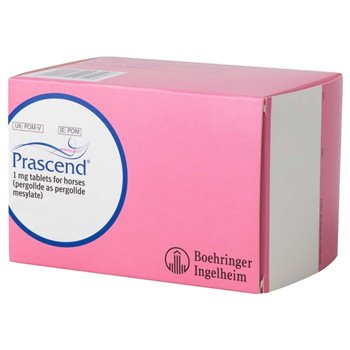
No. Ekycush Control is a nutritional supplement and does not replace prescription therapy such as pergolide (Prascend). Many horses with confirmed PPID need medication to improve hormonal control. Ekycush Control can be used alongside veterinary treatment as part of a consistent routine that also includes diet and hoof management.
How do I feed Ekycush Control?
Feed Ekycush Control daily in line with the label directions and mix it into a small, suitable feed. Many owners use soaked fibre or low-starch chaff to avoid adding extra sugar. Introducing it gradually over several days can help horses with sensitive appetites, and splitting the daily amount can improve acceptance.
Do PPID symptoms get worse at certain times of year?
Yes, many horses show more obvious PPID signs in late summer and autumn, when hormone patterns can shift. Vets may time blood tests around these periods and may adjust treatment based on results and clinical signs. Consistent diet and routine are particularly useful during seasonal changes.
What should I monitor at home for a PPID horse?
Track coat changes, appetite, water intake, droppings, body condition, and topline muscle. Pay close attention to the feet by checking digital pulses and watching for stiffness, short steps, or reluctance to turn. Note any recurring infections or slow-healing wounds, and share these observations with your vet.
You may also like
What our customers say about us.
Always dispensed very quickly according to any instructions I may have sent .Very reliable company .
Joni
Source: Trustpilot Review
Fantastic service
Joanne
Source: Trustpilot Review
Excellent service delivered next day.
David
Source: Trustpilot Review
- Tracked 24 Delivery Follow your parcel online
- VMD & RCVS Registered VetDispense is a registered UK Dispensary
- Secure Payment Pay securely online by card or PayPal
- Independent Since 2008 A Trusted UK Dispensary