


- Out-of-Stock
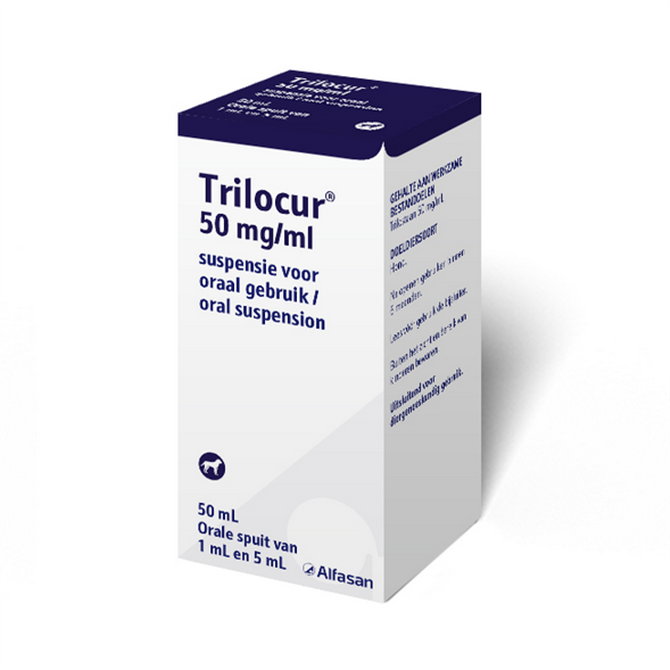
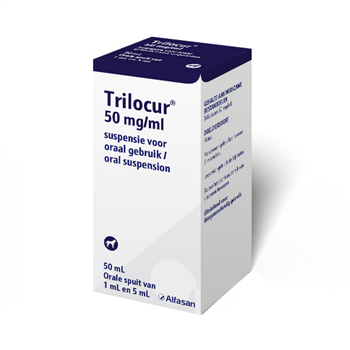
Trilocur 50ml Oral Suspension for Dogs
Trilocur 50ml Oral Suspension for Dogs is a veterinary medicine used to manage hyperadrenocorticism, often called Cushing’s disease, in dogs. With this condition the body produces too much cortisol for months or years, and the effects can build up gradually. Many owners first notice that their dog drinks far more than normal and needs to urinate more often, including asking to go outside at night or having accidents in the house. Increased appetite, weight gain around the abdomen, heavier panting, and reduced stamina are also common. Some dogs develop thinning hair, fragile skin, or recurrent ear and skin problems, while others seem less interested in exercise or play. Because these signs can overlap with other illnesses, your vet will usually confirm hyperadrenocorticism with a combination of history, examination and laboratory tests before starting Trilocur. Some dogs seem restless and pace, while others become quieter and less keen to exercise. Skin and coat changes can develop over time, including thinning hair, recurrent skin infections, slow hair regrowth after clipping, and fragile skin that bruises easily. Because these signs can overlap with other illnesses, diagnosis and treatment decisions should always be made by a vet, and Trilocur should only be used under veterinary direction.
Trilocur contains trilostane, a medicine that reduces cortisol production within the adrenal glands. Trilostane works by blocking an enzyme involved in making steroid hormones, so the adrenal glands produce less cortisol and release less into the bloodstream. The effect is reversible, which is helpful because your vet can adjust the dose if cortisol control is not adequate or if the effect becomes too strong. Trilocur does not remove the underlying cause of Cushing’s disease, but by lowering cortisol it can reduce the impact of the disease and help a dog feel more comfortable day to day. When Trilocur is working well, owners often notice steadier drinking and urination patterns, less panting, and an improved level of energy. Coat and skin improvements can take longer and tend to be more gradual. The goal is stable control over time, rather than rapid change in a few days.
Additional Product Information
Description
In most dogs, hyperadrenocorticism is "pituitary-dependent", which means a change in the pituitary gland leads to increased stimulation of the adrenal glands, encouraging them to release more cortisol than the body needs. Less commonly, a tumour within one adrenal gland produces cortisol directly. In either case, persistently high cortisol can influence many body systems. It can contribute to muscle wasting and the classic pot-bellied appearance, raise the risk of urinary tract and skin infections, and may increase blood pressure. Some dogs also develop changes in liver enzymes and a greater tendency towards clotting problems, and Cushing’s disease can sit alongside other long-term conditions such as diabetes. Your vet will usually use a combination of history, examination and laboratory testing to confirm hyperadrenocorticism, and they may recommend imaging in some cases. A clear diagnosis matters because the aim is to control cortisol carefully, not to suppress it more than necessary. Long-term cortisol excess can also contribute to high cholesterol, insulin resistance, and in some dogs the development of diabetes, so overall health checks are important alongside hormone control. Your vet’s goal with Trilocur is to reduce the harmful effects of cortisol while keeping enough hormone activity for normal daily function.
As a oral suspension, Trilocur 50ml can be a practical option for dogs that struggle with capsules or tablets, and it can be useful when small dose adjustments are needed. The liquid dose is measured and given by mouth, which some owners find easier than splitting tablets or combining different strengths. It is important to follow your vet’s instructions closely because the dose is tailored to each dog’s weight and response, and it may change after follow-up testing. Trilocur is typically given with food, and giving it at the same time each day helps to keep routines consistent. Shake the bottle well before measuring a dose, use the measuring device provided, and check the markings carefully so the dose is accurate. If your dog spits out a dose or vomits soon after dosing, do not automatically repeat it without veterinary advice, because double dosing can increase the risk of side effects with Trilocur. If you are mixing Trilocur into a small amount of food to make dosing easier, do it only if your vet advises this, and make sure your dog eats the full portion so the whole dose is taken. Always keep the bottle, dosing device and label instructions together so you can check the strength and the dose each time.
Regular monitoring is a central part of safe treatment for hyperadrenocorticism. Your vet will usually arrange check-ups and blood tests to assess how well Trilocur is controlling cortisol and to ensure your dog is tolerating the medicine. Some tests are timed in relation to dosing, so it helps to note the exact time you gave Trilocur on the day of an appointment and to follow any instructions about feeding. Monitoring is especially important during the first few weeks, after any dose change, and if your dog becomes unwell for any reason. At home, you can support your vet by keeping a simple record of water intake, appetite, energy levels, and any return of excessive panting or urinary accidents. Side effects are not expected in most dogs, but they can occur and may include vomiting, diarrhoea, lethargy, reduced appetite, or weakness. In rare cases cortisol can drop too low, which can become serious; if you see collapse, marked weakness, persistent vomiting, or severe diarrhoea, contact a vet urgently and tell them your dog is taking Trilocur.
Cushing’s disease often needs long-term management, and dose adjustments with Trilocur are not unusual because requirements can change with age, weight, stress, and other illnesses. Tell your vet about any other medicines or supplements your dog is taking, including anti-inflammatories, heart medicines, or herbal products, so they can check suitability and plan monitoring. Your vet will also consider whether Trilocur is appropriate if your dog has significant liver or kidney disease, is pregnant, or is intended for breeding. If you ever miss a dose of Trilocur, follow your vet’s guidance rather than trying to “catch up” with extra medicine, and keep dosing times as consistent as possible. Store Trilocur as directed on the label, keep it out of reach of children and pets, and do not use it beyond the stated expiry once opened. Used correctly, Trilocur forms one part of a broader veterinary plan that aims to control hyperadrenocorticism safely and keep your dog comfortable over the long term.
How does Trilocur work?
Trilocur contains trilostane, which blocks an enzyme involved in making steroid hormones in the adrenal glands. By reducing cortisol production, Trilocur helps control the effects of long-term cortisol excess. The effect is reversible, so your vet can adjust the dose to balance symptom control with safety.
How quickly will my dog improve on Trilocur?
Some dogs show early changes within a couple of weeks, such as reduced thirst or less panting, but improvements can be gradual. Appetite, skin and coat may take longer to settle. Response varies, so your vet will use both your observations and follow-up tests to decide if the Trilocur dose is right.
What are the side effects of Trilocur?
Common side effects can include reduced appetite, vomiting, diarrhoea or lethargy. More serious effects may occur if cortisol becomes too low, leading to marked weakness, collapse or severe sickness. If your dog seems suddenly unwell, stop giving Trilocur and contact your vet urgently for advice.
What should I do if I miss a dose of Trilocur?
If you realise soon after the usual time, give the missed Trilocur dose with food unless your vet has advised otherwise. If it is nearly time for the next dose, skip the missed dose and continue as normal. Do not double dose to make up, as this increases side-effect risk.
How can I tell if Trilocur is working or the dose is too high?
Improvement often includes less drinking and urination, better energy, and reduced panting. Signs that the Trilocur effect may be too strong include sudden lethargy, poor appetite, vomiting, diarrhoea, trembling, weakness or collapse. Contact your vet promptly if you notice these changes.
What our customers say about us.
Always quick delivery, thank you!
Rebecca
Source: Trustpilot Review
Very impressive order turnaround and competitive pricing.
Lina
Source: Trustpilot Review
Good website, good communication about my order. Excellent prices and good delivery time, within the week. Well packaged products. Will definitely use again. Prescription items.
JENNIFER
Source: Trustpilot Review
You may also like
- Tracked 24 Delivery Follow your parcel online
- VMD & RCVS Registered VetDispense is a registered UK Dispensary
- Secure Payment Pay securely online by card or PayPal
- Independent Since 2008 A Trusted UK Dispensary