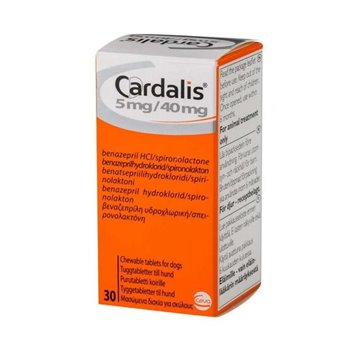


5mg/40mg Cardalis Tablets for Dogs
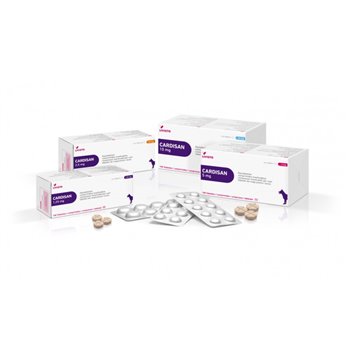
Cardalis 5mg/40mg is a prescription-only tablet used as part of the management of congestive heart failure in dogs. Each tablet contains two active ingredients: benazepril (5mg) and spironolactone (40mg). They work in different but complementary ways to reduce strain on the heart and help control the fluid and pressure changes that can occur with heart failure.
Congestive heart failure in dogs
Congestive heart failure (CHF) describes a stage of heart disease where the heart can no longer pump efficiently enough to meet the body’s needs. When the heart struggles, pressure can build up in blood vessels and the body activates hormone systems that attempt to maintain circulation. These responses can cause the body to retain salt and water and can make blood vessels tighten. Over time, this can lead to fluid accumulation, commonly in the lungs, and it can increase the workload of the heart.
Dogs with CHF may show coughing, faster or more laboured breathing, reduced stamina, restless sleep, reduced appetite, or swelling in the abdomen. Symptoms can vary depending on the underlying heart problem and on where fluid builds up. CHF is a condition that requires ongoing veterinary care, and treatment is usually long term.
How Cardalis works
Cardalis combines an ACE inhibitor (benazepril) with an aldosterone antagonist (spironolactone). Together, they target two key pathways that are often overactive in CHF.
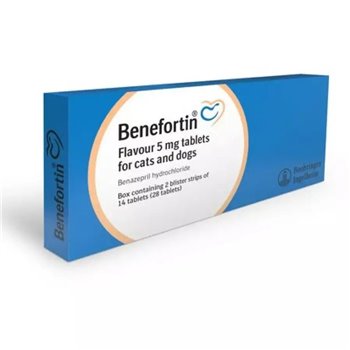
Benazepril works by reducing the production of angiotensin II, a substance that narrows blood vessels and encourages salt and water retention. By reducing angiotensin II, blood vessels can relax and blood pressure can reduce. This can lower the resistance the heart has to pump against, which may improve forward blood flow and reduce congestion. Benazepril can also help limit signals that contribute to fluid retention.
Spironolactone works by blocking the effects of aldosterone. Aldosterone is a hormone that tells the body to hold on to sodium and water. In CHF, aldosterone can remain high and can continue to drive fluid retention. By antagonising aldosterone, spironolactone helps reduce sodium and water retention while conserving potassium. Aldosterone can also influence longer-term changes in the heart and blood vessels, so controlling its effects can be valuable alongside other heart medicines.
VET PRESCRIPTION REQUIRED.