Ear Problems in Cats can begin with subtle changes, such as grooming around the head, occasional scratching or a reluctance to have one ear touched. As irritation increases, a cat may shake its head, hold an ear at an unusual angle, rub its face against furniture or become quieter than normal. Other signs include redness, warmth, swelling, an unpleasant smell and dark, waxy, yellow or blood-stained discharge. Ear Problems are often uncomfortable, even when the cat continues eating and behaving normally, because cats are skilled at concealing pain.
The outer ear flap, or pinna, and the ear canal should normally look clean and pale pink, without marked odour or heavy debris. A small amount of light wax can be normal, but a sudden increase, especially when accompanied by itching or tenderness, deserves attention. Prompt assessment can prevent inflammation from becoming more severe and reduce the risk of self-trauma from persistent scratching.
There are several possible causes of Ear Problems in Cats, and the appearance of discharge does not always reveal the cause. Ear mites, particularly Otodectes cynotis, commonly produce intense itching and dry, dark material resembling coffee grounds, although mites cannot be confirmed from colour alone. Otitis externa means inflammation of the external ear canal and may involve bacteria, yeasts such as Malassezia, or both. Allergic skin disease can alter the ear’s normal barrier and encourage recurrent microbial overgrowth, while grass seeds, dirt, excess cerumen, wounds and insect bites may trigger irritation. Polyps, growths and inflammatory tissue are less common but important possibilities, particularly when only one ear is repeatedly affected. Ear Problems in Cats may also extend into the middle or inner ear, where they can affect balance, hearing and facial nerve function. Treating every sore ear as a simple wax problem can delay correct care, so persistent, painful or recurring signs should be examined by a veterinary surgeon.
A veterinary examination is important when Ear Problems in Cats cause severe pain, bleeding, swelling that narrows the canal, sudden hearing changes, a head tilt, circling, loss of balance, rapid eye movements or facial asymmetry. These signs may indicate deeper inflammation or neurological involvement and should not be managed with routine cleaning alone. The vet may inspect the canal and tympanic membrane with an otoscope, examine debris under a microscope for mites, bacteria or yeast, and perform cytology to assess microorganisms present. Recurrent or difficult infections may require bacterial culture and sensitivity testing, while sedation can be necessary for a complete examination of a painful ear. This diagnostic approach matters because products appropriate for an intact eardrum may be unsuitable if the membrane is damaged. It also helps the vet distinguish primary causes, such as parasites or allergy, from secondary infection and chronic changes in the canal. Ear Problems in Cats usually respond best when both immediate inflammation and the underlying trigger are addressed.
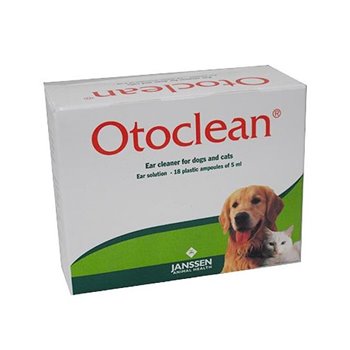
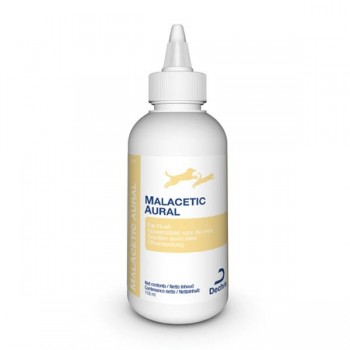
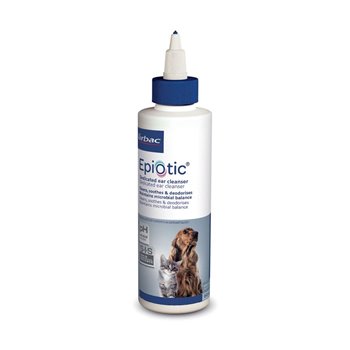
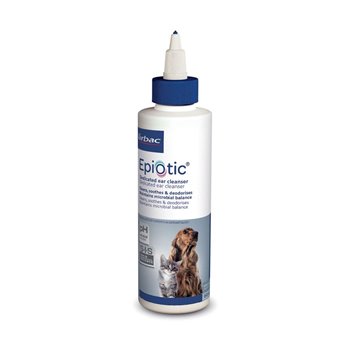
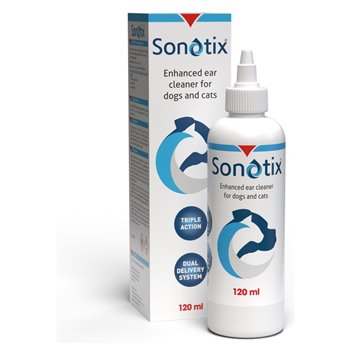
Our range for Ear Problems in Cats includes ear-cleaning solutions, products designed to loosen wax and debris, preparations used alongside veterinary treatment, parasite treatments and veterinary prescription ear drops. Cleaners such as CleanAural for Cats, Epi-Otic, Otoclean, MalAcetic Aural, Sonotix, Surosolve and Douxo S3 Care can help remove accumulated cerumen and organic material when suitable for the individual cat. Some formulations have drying, acidifying or cleansing properties that make the canal less favourable to excessive bacterial or yeast growth, while Tris-EDTA preparations may be recommended within a wider treatment plan. Prescription products such as Aurimic, Recicort or Surolan contain medicinal ingredients selected for particular inflammation or infection and must be used exactly as directed by the vet. Where ear mites are diagnosed, an appropriate licensed antiparasitic treatment, such as a suitable Stronghold presentation, may be prescribed according to the cat’s age and weight.
When a cleaner has been recommended for Ear Problems in Cats, calm handling and correct technique make the process more comfortable. Warm the closed bottle in your hands, place the cat on a secure surface and gently lift the pinna. Apply the quantity stated on the label or by the vet, keeping the nozzle at the entrance rather than pushing it into the canal. Massage the base of the ear for twenty to thirty seconds, then allow the cat to shake its head. Wipe only the visible outer ear and loosened material with soft cotton wool or gauze. Cotton buds should not be inserted because they can compact debris, injure tissue or damage the eardrum. Hydrogen peroxide, surgical spirit, essential oils, human ear drops and unapproved home remedies may irritate feline skin or be unsafe. If cleaning causes marked pain, bleeding, dizziness or distress, stop and contact the vet. For medicated drops, cleaning and dosing may need to be separated by a specified interval, so follow the instructions rather than assuming every product is applied in the same way.
Some cats need only short-term care, while others develop recurring Ear Problems in Cats because the underlying condition remains active. Cats with allergy, chronic dermatitis, narrow or altered canals, polyps or previous middle-ear disease may need planned rechecks and a personalised maintenance routine. Over-cleaning can strip protective lipids from the canal and cause irritation, so healthy feline ears should not automatically be cleaned every day or week. The appropriate frequency depends on wax production, the product and the veterinary diagnosis. Complete any prescribed course for the stated duration, even when odour and discharge improve quickly, unless the vet advises otherwise. Check both ears regularly, but remember that mites and infection can be present without identical signs on each side. In multi-pet households, confirmed ear mites may require assessment or treatment of in-contact animals and cleaning of shared bedding, according to veterinary advice. Ear Problems in Cats that return soon after treatment, fail to improve within the expected period or become increasingly painful need reassessment rather than repeated use of leftover medication.
What are the most common signs of ear problems in cats?
Common signs include head shaking, scratching, rubbing the face, redness, swelling, tenderness, unpleasant odour and increased wax or discharge. A cat may also avoid being touched near the ear or become quieter. Head tilt, poor balance, bleeding or severe pain requires prompt veterinary attention.
What causes dark, coffee-ground material in a cat’s ears?
Dry, dark debris is often associated with ear mites, but its appearance alone cannot confirm them. Old blood, wax and inflammation can look similar. A vet can examine a sample under a microscope to identify mites and check for bacterial or yeast overgrowth before recommending the most appropriate treatment.
Can indoor cats get ear mites?
Yes. Indoor cats can acquire ear mites through contact with another cat, dog or ferret, including a newly adopted pet. Mites spread readily between animals and may affect more than one pet in a household. Veterinary advice is important because other causes of itchy, dirty ears can look very similar.
Can I treat my cat’s ear infection at home?
A suspected infection should be examined before treatment, particularly if the ear is painful, swollen, smelly or producing discharge. Different medicines target different organisms, and some drops may be unsuitable when the eardrum is damaged. A veterinary diagnosis helps avoid ineffective treatment and reduces the chance of complications or recurrence.
How often should I clean my cat’s ears?
Healthy cat ears often need little or no routine cleaning. Cats with excess wax, recurrent otitis or a condition affecting the ear canal may need a schedule recommended by their vet. Cleaning too frequently can irritate the canal, so always follow the product label and any individual veterinary instructions.
How do I clean my cat’s ears safely?
Use only a feline-suitable cleaner recommended for your cat. Apply it at the canal entrance, massage the ear base, allow the cat to shake, then wipe visible debris from the outer ear with cotton wool or gauze. Never push cotton buds, bottle nozzles or other objects down the ear canal.
When are ear problems in cats an emergency?
Seek urgent veterinary care if your cat develops a sudden head tilt, falls over, circles, has rapid eye movements, facial drooping, severe pain, significant bleeding or swelling that closes the canal. These signs may indicate middle- or inner-ear disease, neurological involvement, trauma or another condition requiring prompt examination.